Commercial painting problems can sabotage safety in industrial sites when poor preparation, incorrect coatings, unsafe work practices, and weak planning expose workers, equipment, and facilities to preventable risks. In industrial environments, paint failures are not cosmetic issues. They create slip hazards, fire risks, toxic exposure, corrosion damage, and OSHA violations that put people and operations in danger.
After decades in Hartzell Painting, working on commercial painting projects across industrial facilities in Miramar, FL and beyond, I have seen firsthand how painting shortcuts turn into safety incidents.
This article breaks down the most common commercial painting problems, why they happen, and how professional industrial painters prevent them before safety is compromised.
Key Takeaways
-
How commercial painting problems create real safety hazards in industrial facilities
-
The painting mistakes most likely to trigger OSHA violations
-
Why incorrect coatings increase fire, slip, and chemical exposure risks
-
How poor planning puts workers and operations at risk
-
What facility managers should demand from a commercial painting contractor
Poor Surface Preparation Creates Hidden Safety Hazards
Why Surface Preparation Is a Safety Issue, Not Just a Quality Issue
One of the most underestimated commercial painting problems is inadequate surface preparation. Paint is not a protective system on its own. It relies entirely on the surface beneath it to perform safely.
When surfaces are not properly cleaned, repaired, and profiled, coatings fail early. That failure exposes underlying hazards like corrosion, crumbling concrete, and unstable substrates that can compromise worker safety.
This is why we treat surface prep as a safety step, not a cosmetic one, on every commercial painting project.
Common Surface Prep Failures in Industrial Facilities
Across industrial sites in Miramar, FL, we regularly encounter the same mistakes tied to commercial painting problems:
-
Painting over oil, grease, or chemical residue
-
Inadequate rust removal on steel beams and supports
-
Ignoring moisture intrusion in concrete and masonry
-
Covering damage instead of addressing it
Many of these issues stem from poor surface preparations, which almost always lead to premature failure.
Safety Risks Caused by Improper Surface Preparation
When coatings fail due to poor prep, safety risks follow quickly:
-
Falling paint chips in active work zones
-
Accelerated corrosion hidden beneath coatings
-
Structural weakening that goes unnoticed
These are not theoretical risks. They are real-world safety incidents tied directly to unresolved commercial painting problems.
Incorrect Coating Selection Increases Fire and Chemical Risks
Why Industrial Coating Selection Directly Impacts Safety
Not all paints are designed for industrial environments. Choosing the wrong product is one of the most dangerous commercial painting problems I see.
Industrial coatings must withstand heat, chemicals, abrasion, and moisture while meeting safety and regulatory standards. Safety data sheets matter. Fire ratings matter. Chemical resistance matters.
Common Coating Selection Mistakes
Some of the most common coating-related commercial painting problems include:
-
Using non-fire-rated coatings near heat sources
-
Applying residential-grade paint in industrial areas
-
Ignoring chemical exposure requirements
-
Using high-VOC coatings in enclosed spaces
Each of these mistakes increases risk, especially in industrial facilities operating around the clock.
Safety Consequences of Using the Wrong Paint System
Incorrect coatings can cause:
-
Increased flammability near machinery
-
Toxic off-gassing that affects worker health
-
Rapid coating breakdown that exposes surfaces
These failures often violate Commercial OSHA Painting safety standards and place facilities at serious risk.
Slips, Trips, and Falls Caused by Poor Floor Coating Practices
Why Floors Are One of the Highest-Risk Painted Surfaces
Industrial floors take constant abuse. Foot traffic, forklifts, moisture, oils, and chemicals all affect traction. When floor coatings fail, injuries follow.
Floor-related commercial painting problems are a leading contributor to slip-and-fall incidents in industrial facilities.
Common Commercial Painting Problems With Industrial Floors
The most frequent mistakes we see include:
-
Applying smooth coatings where slip resistance is required
-
Skipping anti-slip aggregates
-
Reopening floors before full cure times
These shortcuts save time upfront but create long-term safety hazards.
How Floor Coating Failures Lead to Injuries
Unsafe floor coatings cause:
-
Loss of traction in wet or oily conditions
-
Peeling edges that create trip hazards
-
Equipment instability during operation
Proper commercial painting addresses traction, cure times, and traffic patterns from day one.
Inadequate Containment Exposes Workers to Harmful Substances
Why Containment Matters in Industrial Painting
Industrial painting releases dust, debris, and fumes that spread quickly. Without proper containment, these contaminants affect workers far beyond the painting area.
Containment failures are one of the most overlooked commercial painting problems in industrial facilities.
Common Containment Failures
We often encounter:
-
No negative air control
-
Poor masking around sensitive equipment
-
Inadequate ventilation planning
These mistakes expose workers and equipment unnecessarily.
Health and Safety Risks of Poor Containment
Poor containment leads to:
-
Respiratory exposure to fumes and particulates
-
Cross-contamination of production areas
-
Regulatory non-compliance
Professional commercial painting contractors treat containment as a core safety requirement, not an afterthought.
Unsafe Work Practices Put Painters and Facility Staff at Risk
Why Industrial Painting Requires Specialized Safety Training
Industrial painting is not basic paint application.
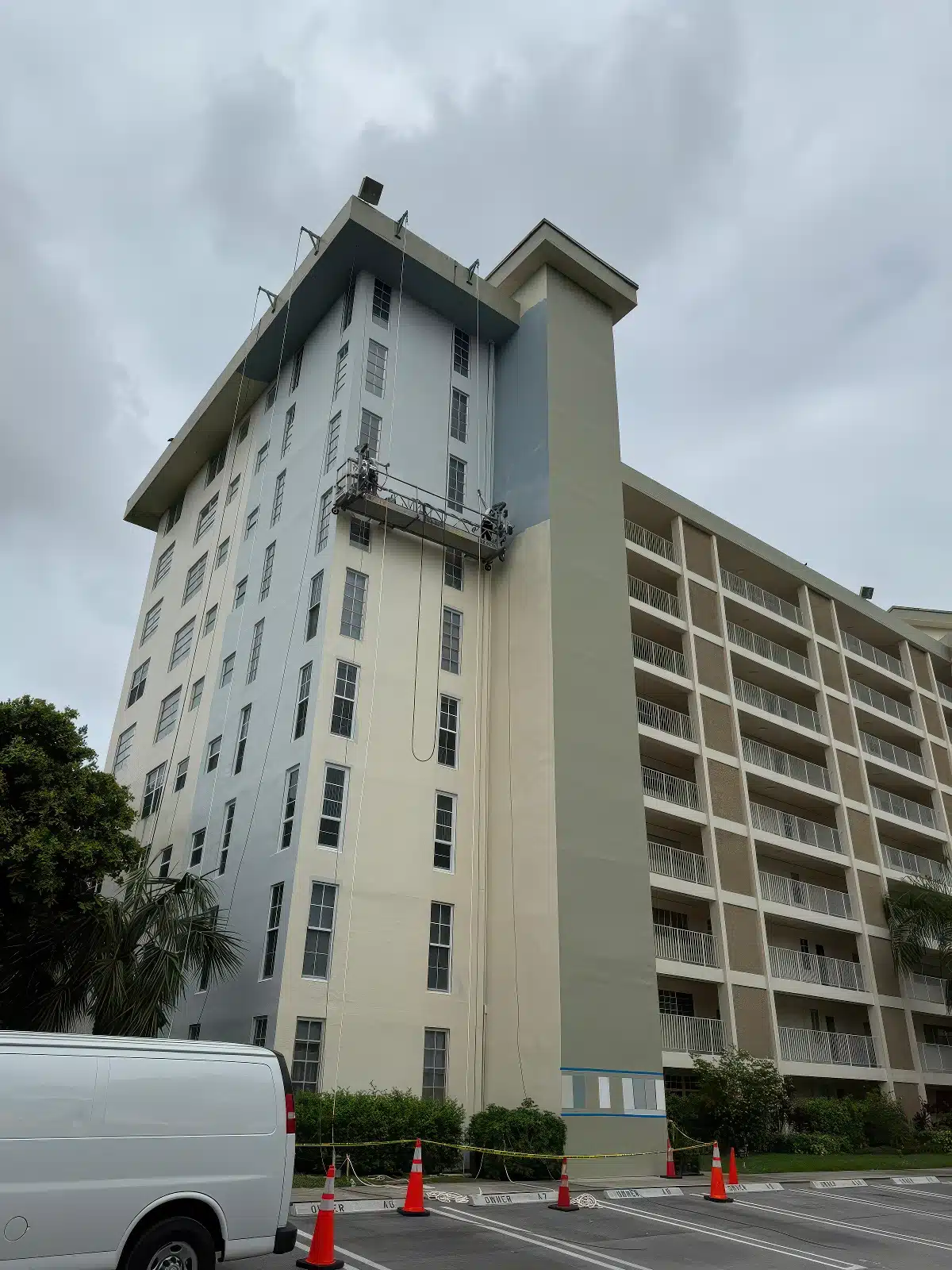
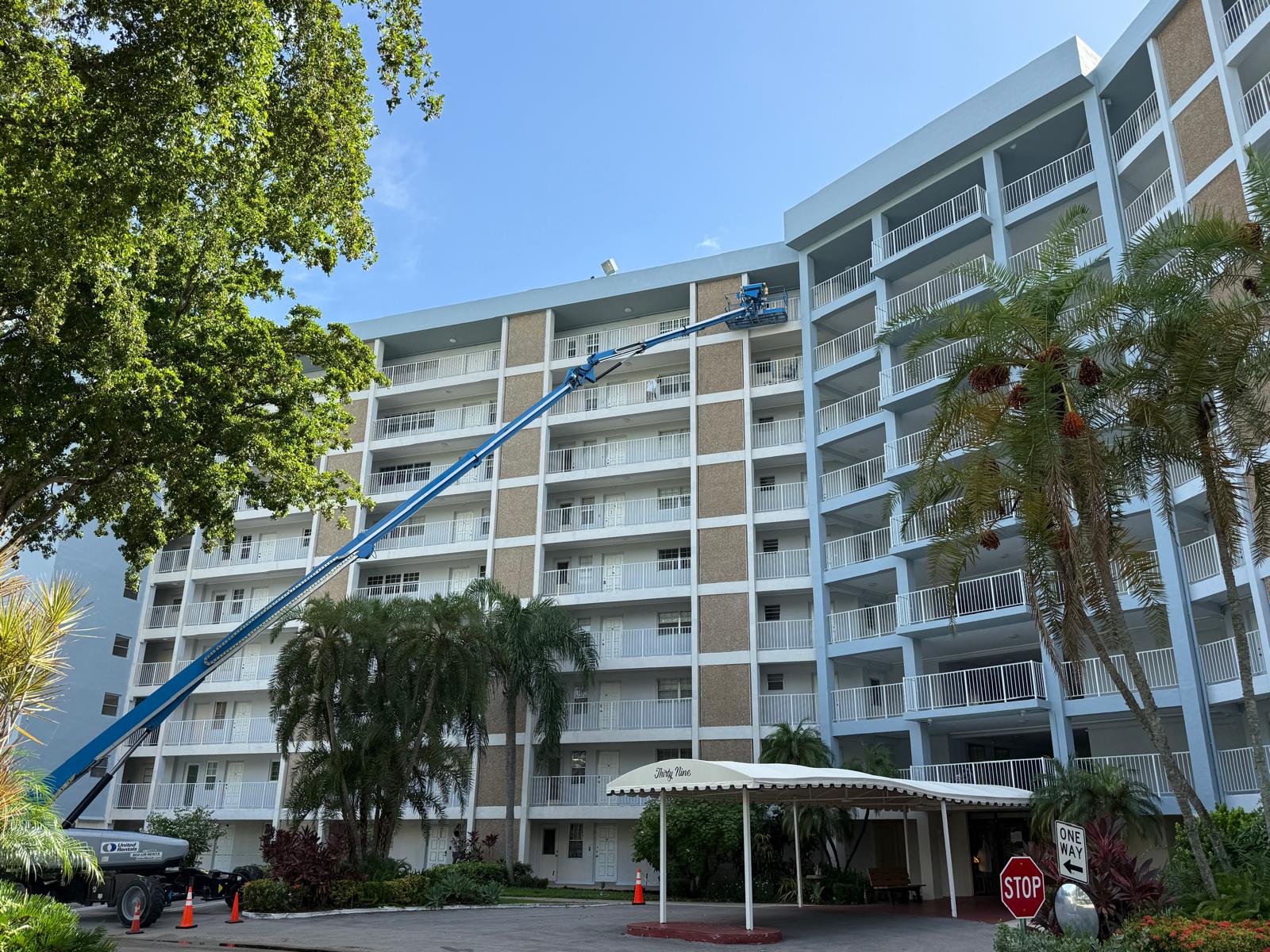
Crews routinely work at heights, inside confined spaces, and around operating machinery where a single mistake can trigger serious injury. These environments demand safety training that goes far beyond what most general painters receive. Every commercial painting project in Miramar, FL requires a detailed safety plan before a brush ever touches a surface.
Without specialized training, crews unintentionally introduce commercial painting problems into active facilities. The danger is not just to the painters themselves. Facility employees, contractors, and visitors are often exposed to risks they never agreed to accept. Proper training is the difference between safe execution and costly accidents.
Unsafe Practices Commonly Seen on Industrial Painting Jobs
Unsafe shortcuts almost always start with pressure to move faster.
Improper ladder or lift use is common when crews are rushed or undersized. Lockout and tagout procedures are sometimes skipped entirely because coordination with facility staff is treated as an inconvenience instead of a requirement.
Inadequate personal protective equipment is another frequent issue, especially when working with industrial coatings that produce fumes or require skin protection. When deadlines drive decisions, safety becomes reactive instead of controlled, and commercial painting problems multiply quickly.
How These Practices Endanger Everyone On-Site
Unsafe practices rarely affect only one person.
Falls, struck-by incidents, and chemical exposure injuries often occur in shared spaces where painters and facility staff overlap. One poorly controlled work zone can create hazards far beyond the immediate painting area.
Experienced commercial painting crews understand they are guests inside a working facility in Miramar, FL. Their responsibility is to protect everyone on site, not just finish the job. When safety is treated as part of the work itself, incidents drop dramatically.
Poor Scheduling Creates Safety Conflicts With Active Operations
Why Timing Is Critical in Industrial Painting Projects
Many industrial facilities in Miramar, FL operate continuously.
Painting must be planned around production schedules, employee movement, and equipment usage to avoid conflicts. When timing is treated as a convenience instead of a safety control, commercial painting problems surface quickly.
Painting during active operations without proper coordination exposes workers to fumes, wet coatings, and unexpected obstructions. Good timing is not about speed. It is about control.
Common Scheduling-Related Commercial Painting Problems
Scheduling mistakes are rarely intentional.
Painting during peak operational hours increases the chance of accidental contact with wet or curing surfaces. Failing to coordinate with safety officers leaves hazards unaddressed until something goes wrong.
Another frequent issue is reopening areas before coatings have fully cured. While surfaces may appear dry, they can still be slick or chemically active, creating unnecessary risk.
Safety Risks Caused by Bad Scheduling
Poor scheduling creates predictable safety failures.
Workers may be exposed to airborne vapors, equipment may damage uncured coatings, and accident rates increase as traffic moves through active work zones. These are not surprises. They are outcomes of avoidable commercial painting problems.
Good scheduling is a safety strategy. When painting timelines align with facility operations, risks decrease and productivity improves.
Failure to Address Corrosion Compromises Structural Safety
Why Corrosion Control Is a Safety Priority
Corrosion is a structural threat, not a cosmetic issue.
Over time, corrosion weakens steel supports, platforms, and fasteners that workers rely on every day. The most dangerous part is that corrosion often starts beneath failing coatings, hidden until damage is advanced. Improper poor surface preparations make corrosion even more likely to go unnoticed.
Ignoring corrosion is one of the most serious commercial painting problems in industrial environments. Once structural integrity is compromised, the margin for error disappears.
Common Corrosion-Related Painting Mistakes
Painting over rust is one of the most common mistakes we see.
It improves appearance temporarily but allows corrosion to continue spreading beneath the surface. Using coatings without proper corrosion inhibitors makes the problem worse, especially in humid or chemically aggressive environments.
Hard-to-reach areas are also frequently skipped. These locations often experience the worst corrosion and the highest risk.
Safety Consequences of Ignored Corrosion
Unchecked corrosion leads to real danger.
Structural instability, falling debris, and sudden failures put workers at risk and force emergency shutdowns. These events are costly, disruptive, and often preventable.
Preventive commercial painting that addresses corrosion early is far safer than reactive repairs after damage has already occurred.
Poor Communication Leads to Unsafe Conditions
Why Communication Is Essential in Industrial Painting
Industrial painting involves many moving parts.
Facility managers, safety officers, operations teams, and contractors all need the same information to keep the site safe. When communication breaks down, commercial painting problems fill the gap.
Clear communication turns safety from an assumption into a system.
Common Communication Failures
Safety responsibilities are often left vague.
Changes to scope, schedules, or work zones are not always communicated to operations teams in real time. Daily safety briefings are skipped, especially on “routine” days.
Each gap increases uncertainty. Uncertainty creates risk.
How Miscommunication Increases Safety Incidents
Workers may enter areas they believe are safe but are not.
Hazards go unnoticed longer, and responses to emerging issues are delayed. Small misunderstandings escalate into incidents that could have been avoided.
Strong communication protocols are a defining trait of professional commercial painting contractors. Safety improves when everyone knows what is happening and why.
OSHA and Regulatory Violations Tied to Commercial Painting Problems
Common OSHA Issues in Industrial Painting
OSHA violations tied to commercial painting problems follow predictable patterns.
Fall protection, respiratory safety, and chemical handling are the most common areas of failure. These issues expose facilities to fines, citations, and forced work stoppages. Adhering to Commercial OSHA Painting standards is critical for industrial safety.
Compliance is not optional in industrial environments. It is operationally critical.
How Painting Contractors Trigger Compliance Failures
Non-compliance usually starts with unqualified crews.
Missing documentation, incomplete safety plans, and lack of training create gaps that OSHA inspectors quickly identify. Ignoring site-specific safety requirements compounds the problem.
Facilities share liability when contractors cut corners. Oversight matters.
Financial and Operational Impact of Safety Violations
Safety violations are expensive in more ways than one.
Beyond fines, facilities face downtime, increased insurance costs, and reputational damage. Operations often suffer long after the citation is resolved.
Compliance-focused commercial painting protects workers and keeps facilities running.
How Professional Industrial Painters Prevent Safety Failures
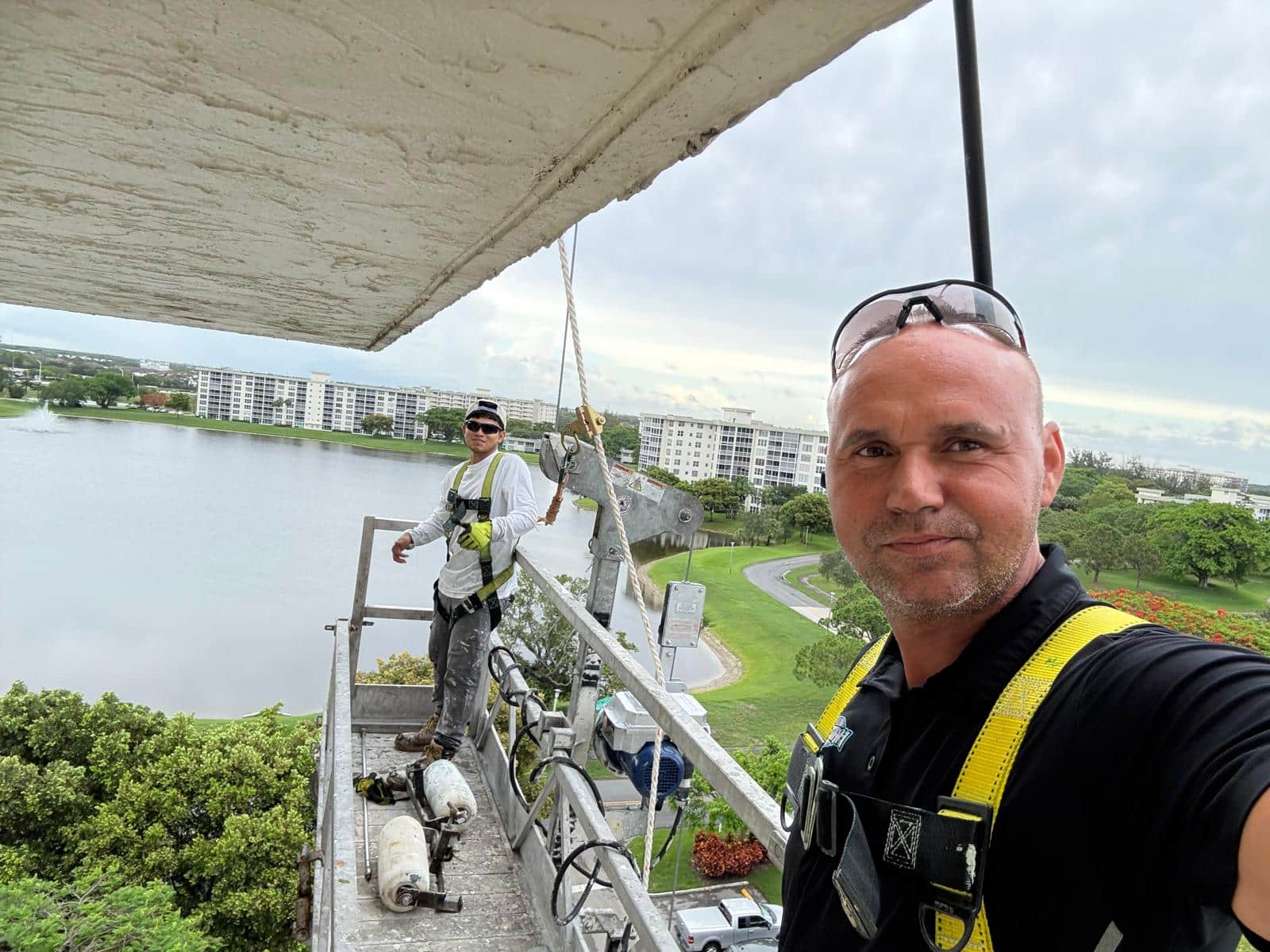
Pre-Project Safety Planning
Professional industrial painters start with planning.
Job hazard analysis, proper coating selection, and containment strategies are addressed before the first surface is touched. Many commercial painting problems are eliminated at this stage alone.
Preparation is prevention.
Safe Execution During the Project
Safety must be actively managed.
Trained crews, on-site supervision, and continuous monitoring ensure conditions remain controlled. Problems are addressed early instead of after an incident occurs.
This is how accidents are prevented, not explained.
Post-Project Safety Verification
Safety does not end at completion.
Cure times are verified, final inspections are completed, and documentation is provided for compliance records. The job is not finished until the facility is fully safe to operate.
Safety Starts With Solving Commercial Painting Problems
In industrial environments, commercial painting problems are not minor inconveniences. They are serious safety threats that can lead to injuries, regulatory violations, and costly shutdowns.
Facilities that work with experienced commercial painting contractors in Miramar, FL reduce risk by addressing safety at every stage of the project. When painting is done right, it protects people, equipment, and operations for years to come.