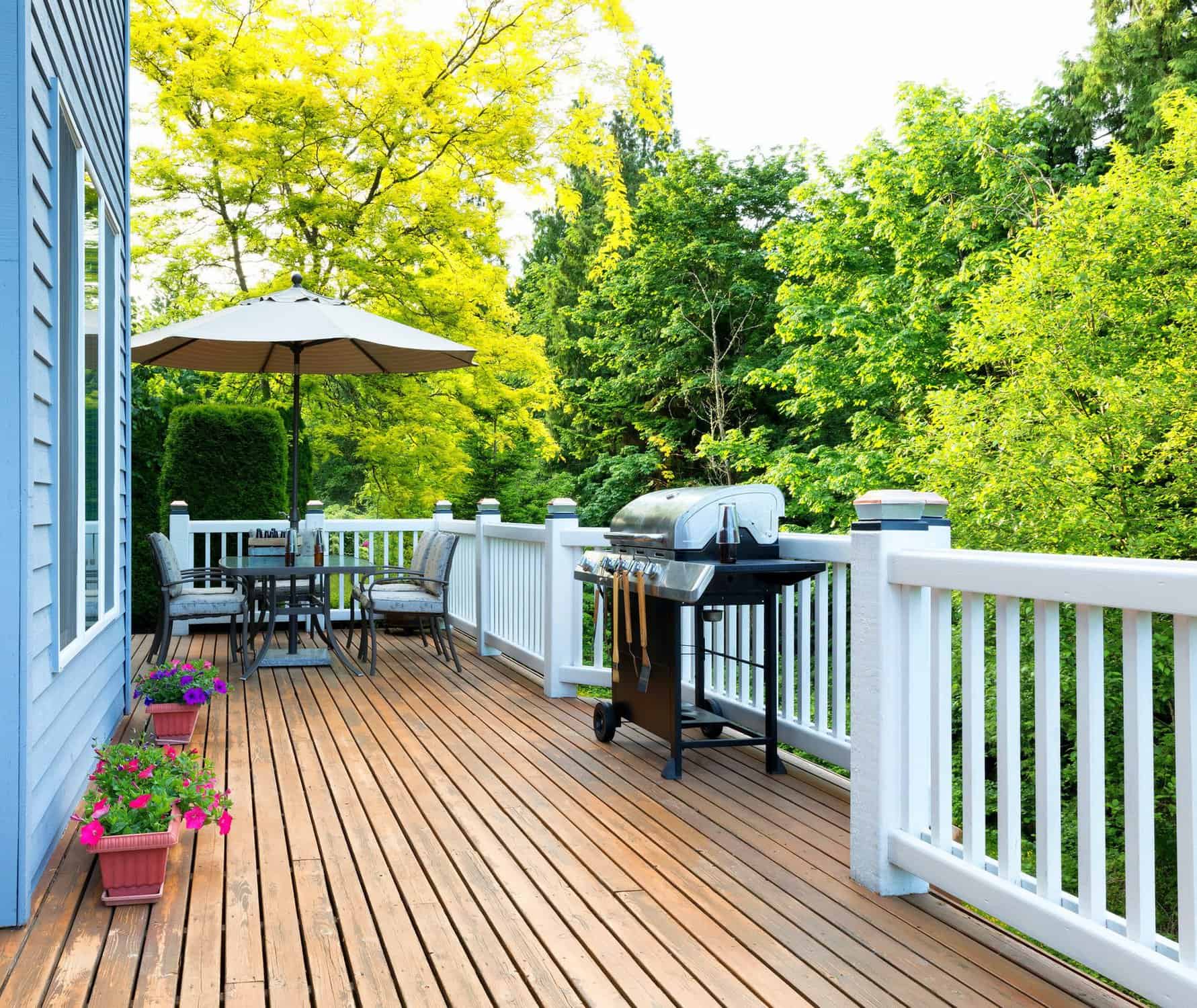
I get this question almost every week from someone in Weston. How long does deck stain last before our Florida sun and rain start breaking it down? It’s a fair question. The honest answer to how often to stain a deck changes how you plan and budget for your outdoor space this year. Your deck and fence should be the place where Saturday mornings happen, not a chore you keep pushing to next season. I built our deck and fence painting services around protecting wood from sun, rain, and wear. Too many homeowners wait a season too long, then pay for it later. Here is what actually determines your deck’s timeline, so you can stop guessing and start planning.

Why Florida Weather Ages Wood Faster
Wood decay depends on moisture and warmth, and Weston supplies both for most of the year. According to University of Florida Extension research on wood preservation, decay fungi need consistent moisture and temperature to break down wood fibers. Once that process starts, the board’s structural strength keeps dropping, even after the surface looks fine again. That is the trap. A humid afternoon storm followed by hours of direct sun does real damage here. That same weather pattern causes far less wear in a drier climate.
Add in salt air if you live closer to the coast, plus the intense UV index South Florida sees most of the year. It is easy to see why a finish that might last five years in Ohio barely makes it two here. This is not a flaw in your deck. It is just what Florida asks of any exposed wood surface.
I see this play out differently on decks versus fences, too. A deck floor takes direct foot traffic and pooled rainwater on a horizontal surface. It wears from the top down. A fence takes weather on both sides at once, with no roof or overhang to shield it. It wears more evenly, but just as fast. Neither one gets a break from the humidity. Both need a place on your maintenance calendar, not just the one you happen to look at most often.
Signs Your Deck or Fence Needs Attention Now
Before you commit to a timeline, look at what your wood is actually telling you. These signs matter more than the calendar:
The water test is the fastest way to check. Pour a small cup of water on a clean, dry section of decking. If it beads up, your finish is still working. If it soaks in within a few seconds, the wood has lost its protection. It is time to plan a recoat.
How Often to Stain a Deck in Southeast Florida
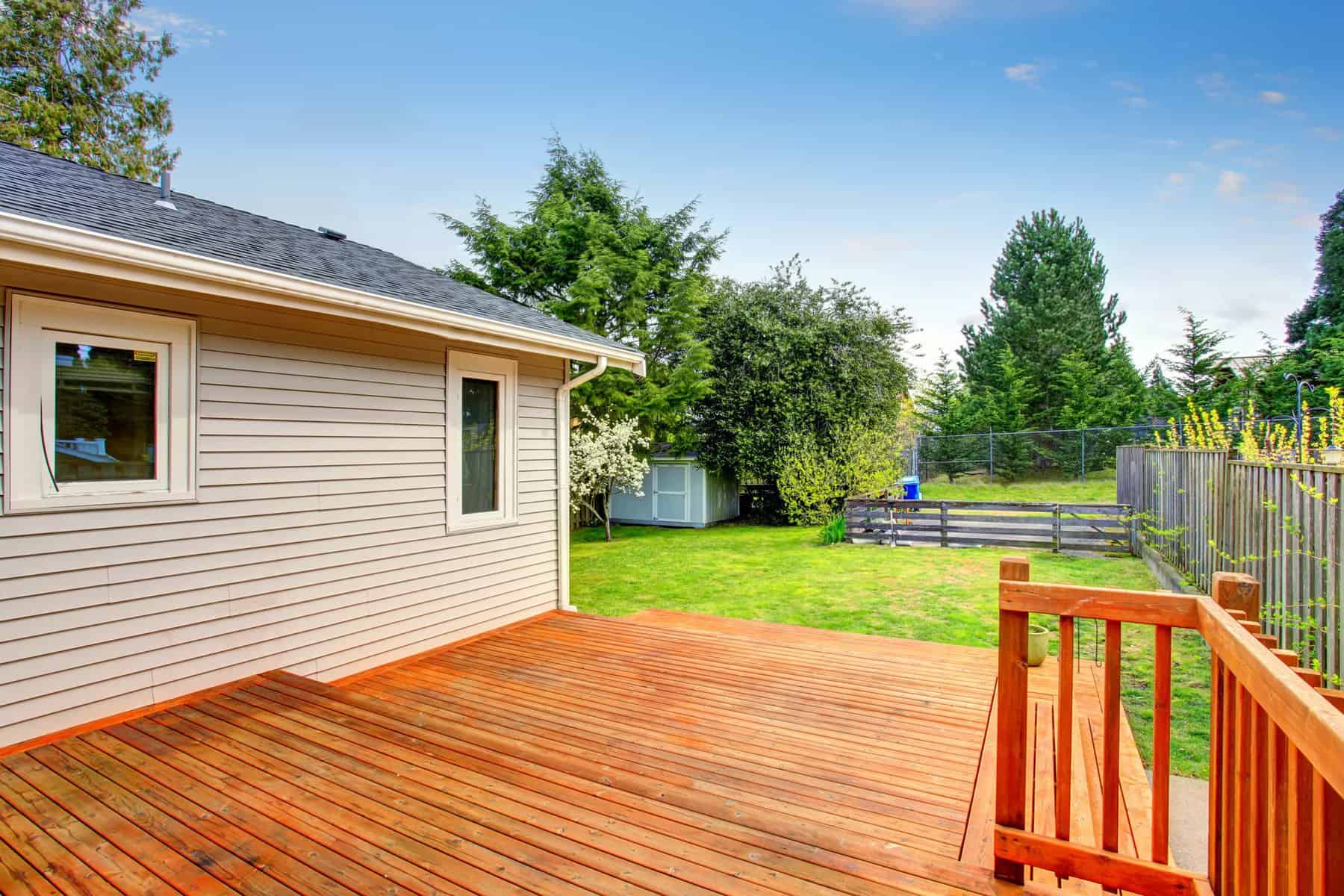
There is no single number that fits every deck. Here is a realistic range, based on what I see across Weston, Pembroke Pines, and Miramar.
| Surface | Typical Recoat Interval | Why |
|---|---|---|
| Deck floor (full sun) | 2 years | Direct UV exposure breaks down pigment fastestDirect UV exposure breaks down pigment fastest |
| Deck floor (partial shade) | 3 years | Less direct sun slows fading |
| Fence (both sides exposed) | 2 to 3 years | Weather hits from every angle |
| Railings and vertical trim | 3 to 4 years | Rain sheds off instead of pooling |
| Painted surfaces (any wood) | 3 to 4 years | Paint forms a thicker barrier than stain |
Semi-transparent stains show wear earlier than solid stains, since they carry less pigment. If your deck sits under a covered patio or heavy tree canopy, you can often stretch toward the longer end of these ranges. Our deck staining and painting process starts with cleaning and sanding to remove old finish and debris. A fresh coat over a dirty surface fails months earlier than it should.
How Long Does Deck Stain Last, Really
The finish itself and the sun exposure it gets both drive the number. A well-applied, breathable penetrating stain on a deck that gets full sun typically holds up for about two years. After that, it needs a fresh coat. Solid color stains and paints lay down a thicker protective layer. They tend to last closer to three or four years, which lines up with Angi’s national data on deck staining costs and timelines.
None of this is exact. Two identical decks a mile apart can age differently. It comes down to drainage, tree cover, and how much direct afternoon sun each one takes.
What It Costs to Wait Too Long
Here is the trade off I walk homeowners through constantly. A routine recoat is a planned, predictable expense. A neglected deck is not.
| Scenario | Typical Cost Range | What You’re Paying For |
|---|---|---|
| Routine recoat, well-maintained deck | $550 to $1,250 | Cleaning, prep, and a fresh coat |
| Deck with peeling or worn finish | Higher end of that range | Extra prep, sanding, or stripping |
| Neglected deck with soft or rotted boards | Several times more | Board replacement, structural repair, or partial rebuild |
Waiting an extra year rarely saves money. It usually just moves the cost from a line item you controlled to a repair bill you did not plan for.
The Best Time of Year to Restain in Weston
Spring and fall give you the ideal combination of drying temperatures and lower humidity here in South Florida. Rainy season typically runs through the summer months. That makes it harder for stain to cure properly before the next storm rolls through. Timing your project around the weather, not just your calendar reminder, makes the finish last longer.
How I Help You Get the Timing Right
I built a simple process because guessing wastes your money in both directions.
That third step is where a lot of shortcuts get taken elsewhere. Skipping proper prep is the number one reason a “fresh” deck finish fails within months instead of years.